
Fall Foliage Rides on Back of the Dragon
Finding the best fall foliage motorcycle rides in Virginia means looking beyond colorful scenery alone. You need a road that combines changing mountain views with curves, elevation, and places worth stopping along the way. Back of the Dragon delivers that full autumn experience on Virginia Route 16 between Tazewell and Marion.
A fall foliage ride on Back of the Dragon is a seasonal motorcycle trip through the hardwood-covered slopes of Clinch Mountain, where changing elevations can reveal several stages of autumn color during one journey. Before setting out, explore the Back of the Dragon route and prepare for a ride where the scenery changes around nearly every curve.
Start early, leave room for scenic stops, and let Southwest Virginia set the pace.
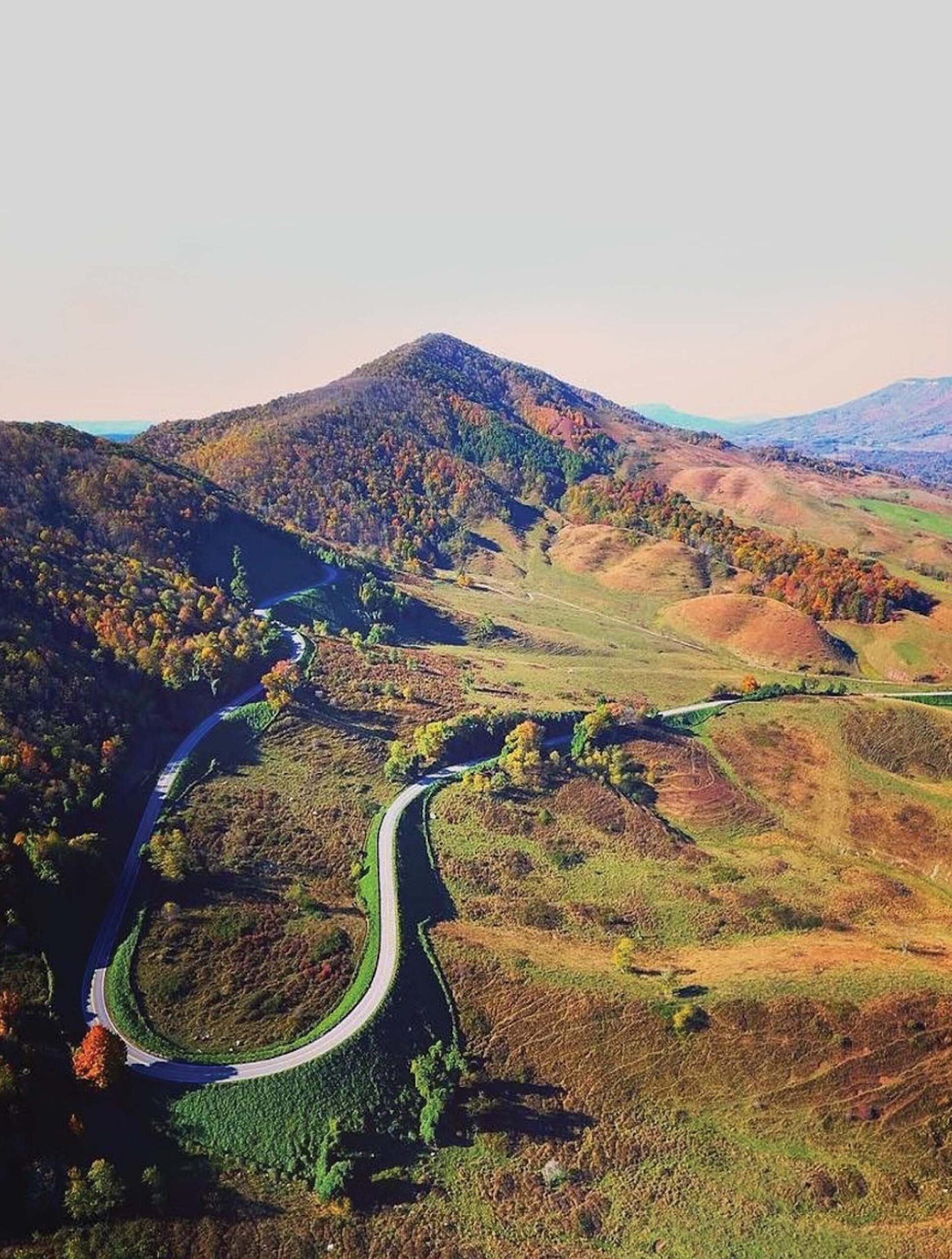
Experience One of the Best Fall Foliage Motorcycle Rides in Virginia
Why Autumn Changes the Back of the Dragon Ride
Back of the Dragon is memorable in every riding season, but fall changes the character of the road. Forested slopes turn into layers of yellow, orange, red, and deep green. Cooler air settles over the mountains, and the changing canopy frames sections of Virginia Route 16 that feel completely different from summer.
The route’s elevation changes also make the foliage experience less predictable in the best possible way. Color may be well developed near the higher sections of Clinch Mountain while the valleys closer to Tazewell or Marion still hold onto more green. Riders can pass through several stages of the season without leaving the route.
Autumn also brings a slower rhythm to the journey. Scenic overlooks become part of the ride rather than quick breaks between curves. Riders pause for photographs, compare road conditions, and take in the ridgelines stretching across Southwest Virginia.
Scenic Mountain Views Along Route 16
The scenery does not wait until the end of the road. It unfolds throughout the 32-mile route as Virginia Route 16 climbs and descends across Clinch, Big Walker, and Brushy Mountains; each elevation tier exposes different stages of peak foliage.
Open sections reveal broad mountain views, while wooded curves place riders beneath a canopy of changing leaves. Sunlight reaches different slopes throughout the day, causing the same section to look brighter, darker, or more colorful on the return trip.
Some of the strongest views appear between the major gateways rather than directly inside Tazewell or Marion. Give yourself enough time to use established pull-offs, remove your helmet, and take in the scale of the mountains instead of treating the route as a race to the other side.
Ready to experience autumn on one of Virginia’s most memorable roads? Start planning your Back of the Dragon adventure today.
What Makes Back of the Dragon Special in Fall
Fall Foliage on Virginia Route 16
For one of the most stunning autumn detours in Southwest Virginia, take the brief side loop into Burke’s Garden (“God’s Thumbprint”). This high-altitude bowl basin surrounded by vibrant mountain ridges offers untouched farmland views and virtually zero traffic.
Virginia Route 16 follows a narrow path through mountain terrain where curves, grades, and shifting sightlines keep riders engaged. The fall color adds depth to that experience without replacing what makes the road special.
Bright leaves can frame the road ahead, but the route still demands attention. Tight curves, elevation changes, and limited views around wooded bends mean riders should choose a comfortable pace. The goal is not to watch the scenery while moving through a turn. It is to enjoy the road, then use safe stopping points to appreciate the landscape.
In our experience, riders who arrive early often enjoy the clearest balance of lighter traffic and softer morning light. However, shaded pavement can remain damp longer beneath the dense tree cover. Waiting until the road has had time to dry may be wiser after a cool or wet night.
Peak Color Across Clinch Mountain
There is no single moment when every part of Clinch Mountain reaches identical peak color. Higher elevations usually cool sooner, while sheltered valleys and lower slopes may change later.
That variation gives riders a wider seasonal window. A trip that arrives slightly before peak may still find stronger color near the ridges. A later visit may reveal more developed foliage around lower sections of the route and nearby communities.
Sun exposure matters too. South-facing slopes may look different from shaded northern sections, and afternoon light can reveal colors that appeared muted earlier in the day. Riders who travel the route in both directions often discover that the return ride feels like a different experience.
Planning Your Fall Motorcycle Ride in Virginia
Best Time for Fall Foliage on Back of the Dragon
Late September through late October is your sweet spot for fall color on Back of the Dragon, though the mountain sets its own schedule depending on elevation, temperature, and weather.
Instead of choosing a date based only on a statewide foliage estimate, watch current conditions in Southwest Virginia as your trip approaches. Higher portions of Clinch Mountain can change before the lower valleys, so visible color may vary from one end of the route to the other.
Weekend riders should also think about timing during the day. An early arrival can make parking and scenic stops easier, especially during popular autumn weekends. Midday may provide warmer pavement and brighter light, while late afternoon can bring lower sun angles and cooler temperatures.
Use the fall motorcycle trip-planning resources to organize fuel, lodging, food, and nearby activities before arriving.
Fall Weather and Riding Conditions
Mountain weather deserves as much attention as foliage timing. A mild afternoon in Tazewell does not guarantee identical conditions at higher elevations. Temperatures may feel cooler along exposed ridges, and shaded curves can hold moisture well after nearby pavement appears dry.
Fallen leaves can also hide gravel, damp patches, or changes in the road surface. Dry leaves may move under a tire, while wet leaves can reduce traction quickly.
Keep a close eye out for tar snakes hardening into slick ridges in cool morning air, as well as autumn rain washouts pushing gravel down into low-elevation hairpin turns. Maintain extra following distance and avoid sudden braking or sharp inputs when leaves collect near a curve.
Before leaving, check the official Virginia 511 road conditions for closures, incidents, and travel updates. Riders should also review the local forecast, carry an extra layer, and prepare for daylight to fade earlier than it does during summer trips.
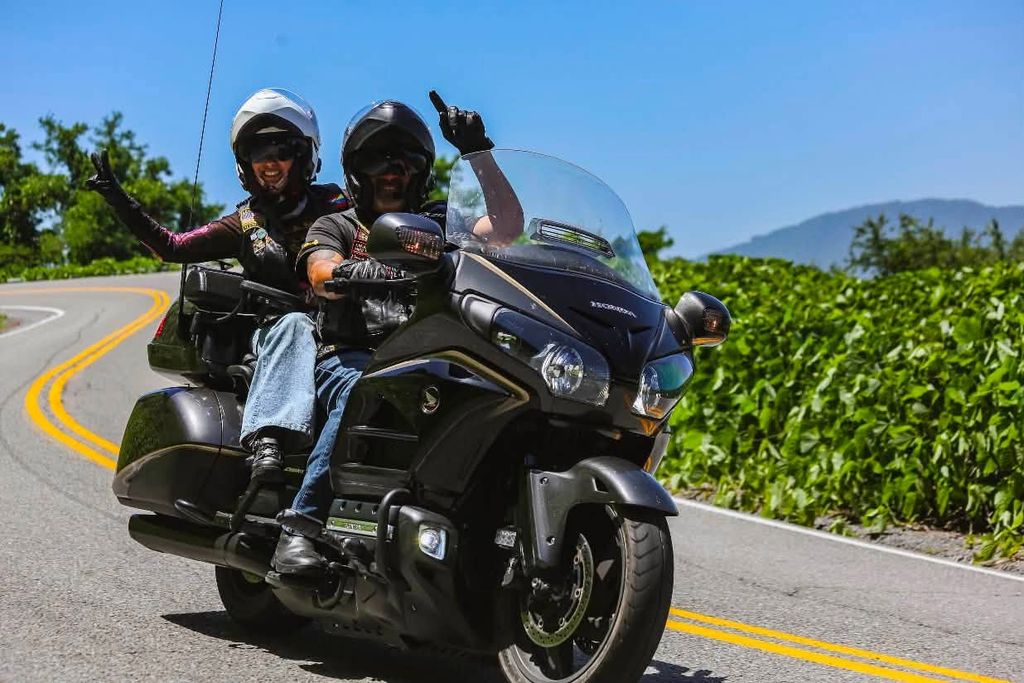
Fall Foliage Stops Along Back of the Dragon
Scenic Overlooks on Clinch Mountain
From Clinch Mountain’s established overlooks to the towns of Tazewell and Marion bookending the route, Virginia Route 16 gives you plenty of reasons to pull over and take it all in.
Overlooks give riders a chance to step away from the technical sections and view the forest as a complete landscape. From higher points, autumn color appears in bands across ridges, hollows, and distant slopes. Morning haze can soften the view, while clearer afternoons may reveal more detail across the mountains.
Only stop where there is enough room to leave the travel lane safely. Avoid pulling onto narrow shoulders simply because a view appears between the trees. The next established stopping point often provides a better and safer photograph.
Fall Rides Starting in Tazewell
Downtown Tazewell is more than a northern gateway to the route. During fall weekends, it becomes a gathering place for riders preparing to cross Clinch Mountain or returning from the ride.
Starting in Tazewell lets visitors organize fuel, food, and meeting points before entering the more technical sections of Route 16. Arriving earlier can make it easier for groups to park together and review the day’s plan without feeling rushed.
After the ride, many visitors return downtown to talk through favorite curves and compare notes on the mountain. Build time into your itinerary to stop at the Back of the Dragon Welcome Center’s Pizza & Brews for craft beer and dragon-fired pizza, rather than immediately leaving the region.
Autumn Views Near Marion
Marion is the southern gateway to Back of the Dragon, and coming at the mountain from this direction feels like discovering the route all over again. Riders beginning here experience the route’s scenery, grades, and light from the opposite direction.
The lower sun can change how the foliage looks on a return trip. Slopes that appeared shaded earlier may become more vivid later in the day, while sections that were bright in the morning can take on deeper tones.
Marion also works well as a regrouping point before riding back toward Tazewell or continuing through Southwest Virginia. Check fuel levels, stretch, and decide whether daylight and weather conditions support a return trip across the mountain.
Tips for Fall Motorcycle Rides on Route 16
Fall rewards prepared riders. The air is cooler, the views are wider through parts of the changing canopy, and every stop can feel like part of the experience. It also introduces seasonal conditions that deserve respect.
Begin with a full inspection of your motorcycle. Check tire pressure, tread, brakes, lights, and fluid levels before reaching Route 16. Cooler morning temperatures can affect tire pressure, so do not assume the setting from a warmer afternoon is still correct.
Wear layers that can be adjusted as conditions change. Temperatures may rise in Tazewell or Marion while remaining cooler on exposed mountain sections. A clear visor can also help if the ride extends toward dusk.
Keep these fall riding habits in mind:
- Reduce speed where leaves collect near curves or road edges.
- Allow additional braking distance on damp pavement.
- Watch for wildlife, especially during lower-light hours.
- Use established overlooks rather than narrow shoulders.
- Give groups enough space to ride their own pace.
- Plan fuel and meal stops before entering the mountain section.
- Avoid fixing your attention on the foliage while the motorcycle is moving.
The most rewarding fall ride is one that leaves enough time to enjoy the road without forcing the schedule.
Plan Your Autumn Adventure on Back of the Dragon
Back of the Dragon brings together the parts riders want from a seasonal road trip: technical curves, changing elevations, Appalachian scenery, and welcoming stops at both ends of the route.
Choose a date, follow current foliage and weather conditions, and allow more time than the mileage alone suggests. Autumn is best experienced without rushing. Pause at the overlooks, spend time in Tazewell and Marion, and consider riding the road in both directions if daylight and conditions allow.
Before heading home, discover more Back of the Dragon experiences and build a longer Southwest Virginia adventure around your fall ride.
When is the best time to ride Back of the Dragon for fall foliage?
Late September through late October is usually the best planning window for fall foliage on Back of the Dragon. Peak color varies by elevation and weather, so higher sections of Clinch Mountain may change before the valleys near Tazewell and Marion.
Is Back of the Dragon a good motorcycle ride during autumn?
Yes, Back of the Dragon is an excellent autumn motorcycle ride because it combines cooler temperatures, mountain scenery, technical curves, and changing hardwood forests. Riders should remain alert for damp shaded pavement, fallen leaves, and earlier sunsets.
Where are the best fall foliage stops along Virginia Route 16?
The best stops include established Clinch Mountain overlooks, safe scenic pull-offs, downtown Tazewell, and Marion. These locations offer different views of the Appalachian landscape and convenient places to rest or regroup.
Is Route 16 slippery during fall?
Route 16 can become slippery where wet leaves, overnight moisture, or gravel collect on the pavement. Riders should slow down before curves, maintain smooth control inputs, and avoid sudden braking on leaf-covered sections.
Should I ride Back of the Dragon in both directions?
Yes, riding Back of the Dragon in both directions can provide a different view of the road and fall scenery. Changing sunlight reveals different slopes, colors, and overlooks, but riders should confirm they have enough daylight, fuel, and energy for the return trip.
What should I bring for a fall motorcycle ride in Virginia?
Bring adjustable riding layers, rain protection, water, a charged phone, and basic motorcycle tools. Check your tires, brakes, lights, fuel, local weather, and road conditions before entering the mountain route.