
Back of the Dragon Safety Tips for First-Time Riders
Back of the Dragon safety tips matter long before the first curve appears on Route 16. Riders heading into Southwest Virginia often hear about the endless curves, steep elevation changes, mountain overlooks, and long stretches winding through Clinch Mountain. Then the excitement kicks in. So does the pressure to “ride it right.”
The truth is simpler than most first-time riders expect. Back of the Dragon is a technical mountain ride in Southwest Virginia known for its sharp curves, elevation changes, and long scenic stretches. It rewards riders who stay calm, ride smoothly, and take the experience one section at a time.
That’s what makes the ride memorable.
You do not have to prove anything out here. The riders who enjoy the road most usually settle into the rhythm of the mountains instead of trying to conquer them in one pass. Before your journey begins, take time to explore the Back of the Dragon experience and get familiar with what makes this stretch of Route 16 such a legendary ride.
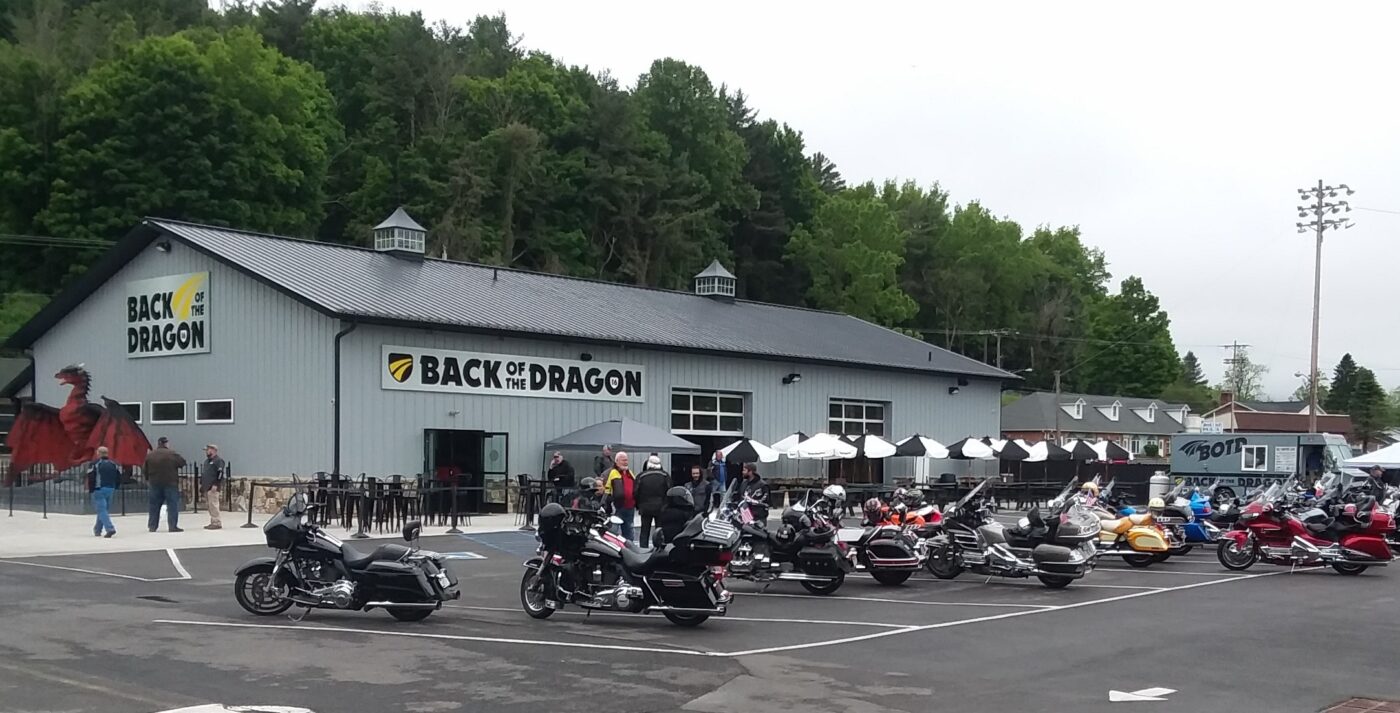
What Should First-Time Riders Know Before Riding Route 16?
Tip #1: Ride Your Own Pace From the First Curve
The safest way to ride Back of the Dragon for the first time is to maintain your own pace and avoid chasing more experienced riders through curves.
That sounds easy until you are watching taillights disappear around the next mountain bend. One of the biggest mistakes riders make during their first time riding Route 16 is treating the road like a challenge instead of an experience.
The mountain rhythm here feels different from normal highway riding. Some stretches open into scenic ridgelines with long views across Southwest Virginia. Others tighten suddenly into downhill curves where visibility changes fast beneath tree cover. Riders who push too hard too early often spend the rest of the ride mentally catching up.
In our experience, riders who enjoy Back of the Dragon most usually settle into the road instead of trying to conquer it. Smooth throttle control, relaxed braking, and calm corner entry matter far more than speed.
You will also notice that experienced local riders rarely look rushed. They understand how quickly elevation shifts and tightening mountain curves can change the feel of the ride from one section to the next.
Before heading deeper into the mountains, it helps to explore the Route 16 riding experience so the terrain feels familiar before the next series of curves begins.
Tip #2: Learn the Road Before You Push the Ride
One of the most important safety lessons on Back of the Dragon is learning how the road flows before trying to ride aggressively through it.
The curves on Route 16 constantly change character. Some stay wide and predictable. Others tighten midway through the turn, especially in shaded Appalachian sections where visibility narrows beneath the trees. Riders who focus too closely on the pavement directly ahead often react too late when the road changes shape unexpectedly.
That is why scanning ahead matters.
Pay attention to decreasing-radius turns, particularly on the sharp Clinch Mountain descent toward Marion. Shaded sections there can stay damp long after sunrise, hiding slick pavement across tight hairpins and downhill corners where riders naturally want to carry more speed.
Instead of forcing speed into unfamiliar corners, focus on reading the road itself. Watch how the centerline moves. Notice how elevation affects visibility. Pay attention to how quickly ridgeline curves can tighten once the mountain begins dropping away beside you.
Scenic overlooks and pull-off areas are part of riding smart here too. Experienced riders regularly stop to reset mentally, hydrate, loosen their shoulders, and take in the scenery before continuing deeper into the mountains.
Those short pauses matter more than people realize. Technical roads create mental fatigue long before physical fatigue starts to show.
Riders who approach the road with patience usually leave with better stories, smoother rides, and more confidence for the next trip through Southwest Virginia.
Tip #3: Watch Mountain Weather Closely on Route 16
Before riding Back of the Dragon, riders should always check weather conditions because mountain visibility and pavement grip can change quickly.
Appalachian weather has a habit of shifting without much warning. A dry stretch in downtown Tazewell can turn into fog, damp pavement, or cooler temperatures within minutes once riders climb the higher elevations surrounding Clinch Mountain.
The 3,100-foot crest regularly traps heavy morning clouds against the ridge, especially during cooler mornings and humid summer days. Our local riders have seen clear pavement disappear into low visibility conditions only a few miles later, once the mountain weather settles into shaded sections of Route 16.
Fall rides bring another challenge. Leaves collect near curve edges and scenic pull-offs after windy mountain weather moves across the ridges. Summer riding creates different hazards entirely. Watch the pavement carefully on exposed southern slopes during hotter afternoons because the tar snakes used to seal cracks on Route 16 soften quickly in midday heat, reducing tire traction mid-corner.
Checking the forecast before the ride is a smart start, but staying alert during the ride matters just as much. If visibility changes or the pavement feels uncertain, slow down earlier than you think you need to and give yourself more room entering corners.
Before your trip, use the available resources to plan your Route 16 ride so you can build flexibility into your schedule and riding pace.
Tip #4: Plan Fuel, Food, and Rest Stops Ahead of Time
Some of the best beginner ride tips have nothing to do with speed or cornering technique. They have everything to do with focus.
Technical mountain roads demand more concentration than most riders expect during their first trip through the Back of the Dragon. After enough curves, your shoulders tighten, your reactions slow slightly, and your mental focus starts fading little by little.
That is why experienced riders build breaks into the ride before exhaustion sets in.
Marion and Tazewell naturally become regroup points for many riders traveling through Southwest Virginia. Riders stop to hydrate, grab food, fuel up, and trade stories before heading back into the mountains. Those breaks are not interruptions to the ride. They are part of the ride.
Hydration matters more than many riders realize, especially during warmer months when long hours in the saddle quietly wear down concentration. After several uninterrupted mountain sections between overlooks, many first-time riders are surprised by how mentally draining the constant elevation shifts become.
The social side of Back of the Dragon starts showing itself during those slower moments, too. Riders compare routes, share road updates, and talk about the corners that caught them by surprise earlier in the day.
If you want to slow the ride down and enjoy more of the atmosphere surrounding the road, many groups choose to stop and share the ride afterward before planning the next mountain run.
Tip #5: Slow Down Enough to Experience the Ride
The riders who remember Back of the Dragon most clearly are usually the ones who stopped trying to rush through it.
That realization often happens somewhere between the overlooks, the mountain valleys, and the long scenic sections where Southwest Virginia suddenly opens around you. Riders arrive expecting a technical challenge. Many leave talking about the atmosphere around the road just as much as the curves themselves.
Safety improves naturally when riders stop treating the experience like a competition.
You notice more when you settle into the journey. The changing light across Appalachian ridges. The cooler mountain air drifts through shaded canopies. The quiet moments at scenic pull-offs where riders line up bikes, trade stories, and photograph the valleys below before heading deeper into Route 16.
First-time riders often believe they need to “complete” the road quickly to experience it properly. In reality, the best rides usually leave room for spontaneity. Hungry Mother State Park, nearby mountain towns, scenic overlooks, and local gathering spots all become part of the larger Back of the Dragon story.
Back of the Dragon tends to reward riders who slow down long enough to experience the overlooks, local stops, and Appalachian atmosphere surrounding the road.
That is why so many riders come back.
If you want to understand how this riding community became a destination riders return to year after year, take time to see how the Back of the Dragon journey began before your next trip through the mountains.
What Makes Back of the Dragon Different From Other Motorcycle Roads?
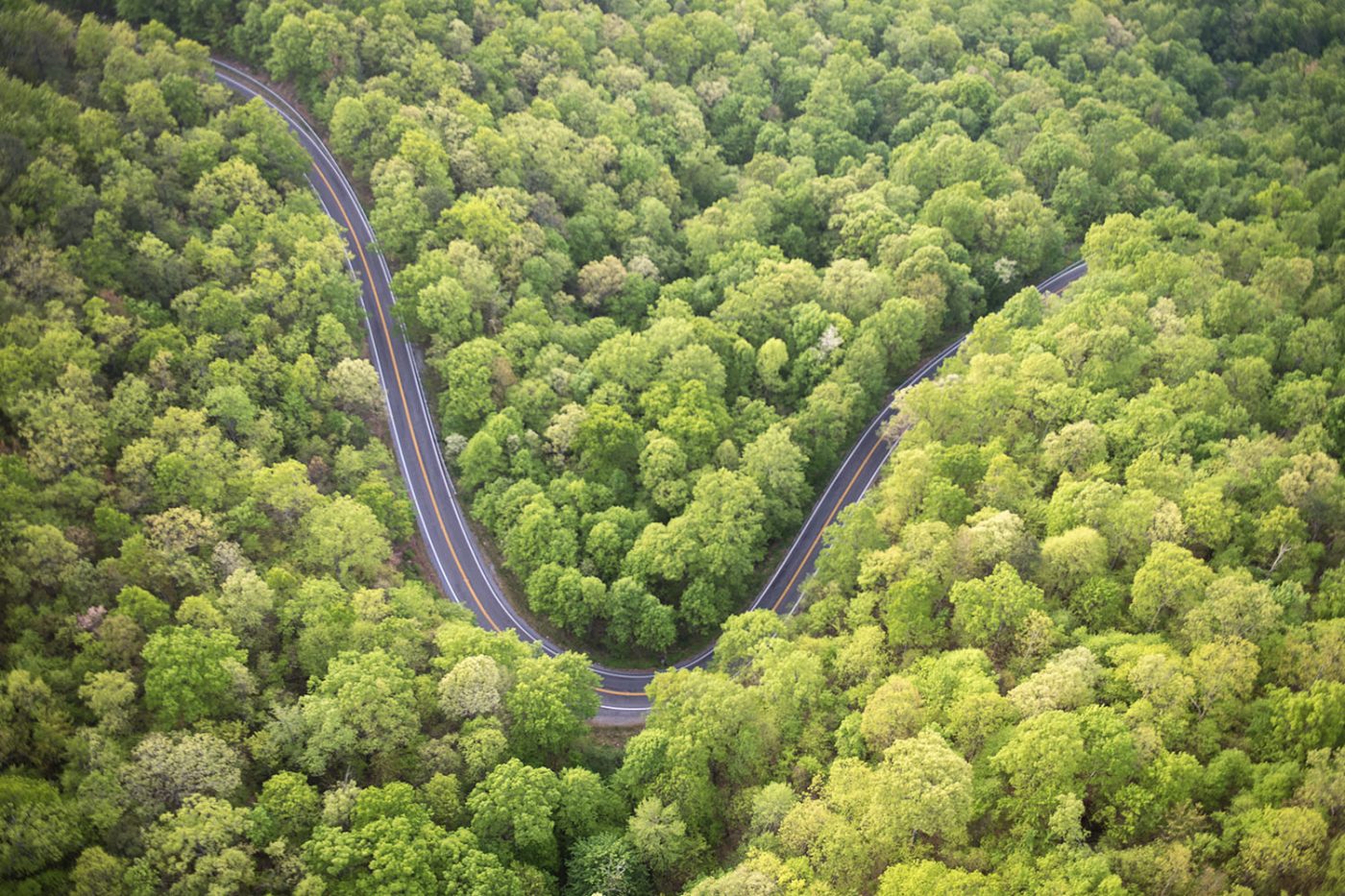
Back of the Dragon stands apart because the road constantly changes its rhythm. Riders are not simply cruising through scenic terrain. They are navigating elevation shifts, tightening mountain curves, shaded valleys, exposed ridgelines, and long technical stretches that demand focus from beginning to end.
Many scenic motorcycle routes allow riders to settle into a predictable pace. Route 16 rarely stays predictable for long. One section may feel smooth and flowing while the next suddenly drops into tighter descending turns beneath dense Appalachian tree cover along Clinch Mountain.
That variety is part of what keeps riders coming back.
The scenery changes just as quickly as the road itself. Riders move from quiet forest sections into overlooks with sweeping mountain views, then back into technical corners where visibility narrows and concentration sharpens again.
The experience feels immersive because the road never fully lets your attention drift.
What Should Riders Pack Before Riding Route 16?
Preparation matters more on mountain roads than many first-time riders expect. Even experienced riders can get caught off guard when temperatures shift between elevations or weather changes suddenly across Southwest Virginia.
At a minimum, riders should bring:
- Water or hydration packs
- Lightweight rain layers
- Extra gloves for cooler elevations
- A fully charged phone
- Navigation support or route planning tools
- Emergency contact information
Tire pressure and fuel levels should also be checked before heading into the mountains. Long technical stretches can become far less enjoyable when riders are distracted by preventable issues.
Comfort matters too. Riders who stay hydrated, dress for changing conditions, and prepare ahead of time usually stay mentally sharper throughout the ride.
Where Should First-Time Riders Stop Along the Ride?
One of the best parts of riding Back of the Dragon is that the journey naturally encourages riders to slow down and explore the surrounding mountain communities.
Marion and Tazewell often become regroup points where riders stop for food, fuel, and conversation before heading back onto Route 16. Scenic overlooks throughout the ride also create opportunities to reset mentally, stretch, hydrate, and take photographs of the Appalachian landscape.
Hungry Mother State Park is another popular stop for riders exploring the area. The park adds another layer to the experience beyond the road itself, especially for travelers turning the ride into a full weekend trip.
Many returning riders eventually develop their own favorite stop patterns depending on the season, weather, and group pace. That sense of discovery becomes part of the larger Back of the Dragon culture.
Why Do Riders Return to the Back of the Dragon Every Year?
For many riders, Back of the Dragon becomes more than a one-time destination ride.
The scenery changes throughout the seasons. Spring brings fresh mountain color and cool riding temperatures. Summer creates longer riding days and busy group rides. Fall transforms the Appalachian landscape with changing leaves and crisp mountain air rolling across Clinch Mountain.
The road itself changes depending on weather, visibility, and riding conditions, too. A section that feels calm one morning can feel completely different later in the day once fog settles against the ridges or afternoon shadows stretch across the curves.
There is also the community side of the experience. Riders return for rallies, seasonal trips, meetups, local conversations, and the shared culture surrounding Southwest Virginia riding.
That combination of technical riding and community atmosphere is difficult to replicate anywhere else.
How Can Group Riders Stay Safer on Route 16?
Group riding on mountain roads requires patience and communication. Riders with different experience levels naturally handle curves, elevation changes, and visibility shifts differently.
One of the safest approaches is allowing riders to spread out naturally instead of forcing a tight formation through technical sections. Trying to maintain constant spacing through unfamiliar mountain curves often creates unnecessary pressure for newer riders.
Experienced groups usually regroup at overlooks or scenic pull-offs rather than trying to stay tightly packed throughout the entire ride.
Communication matters too. Riders should discuss fuel stops, pacing expectations, and regroup locations before entering longer mountain stretches. That simple planning removes uncertainty and helps everyone settle into a safer riding rhythm.
The best group rides on Back of the Dragon usually feel relaxed, social, and flexible rather than competitive.
What is the Best Time of Day to ride the Back of the Dragon?
Morning rides often bring lighter traffic and cooler mountain temperatures, but they can also introduce fog and lingering moisture in shaded sections of Route 16 beneath the Clinch Mountain ridgeline.
Midday riding usually improves visibility as temperatures rise and pavement dries, especially after cooler mornings in the mountains. During summer, however, afternoon heat softens pavement sealant in exposed sections and creates additional traction concerns through sharper curves.
Many riders enjoy late-afternoon rides because the mountain lighting changes dramatically across the ridgelines and overlooks. The scenery becomes part of the experience in a completely different way once sunlight begins cutting through the valleys and tree cover.
The best riding conditions usually come from balancing visibility, weather, temperature, and your own riding comfort level.
Frequently Asked Questions
Is Back of the Dragon safe for beginner riders?
Yes. Back of the Dragon can be safe for beginner riders who maintain a comfortable pace, prepare for changing mountain conditions, and avoid riding beyond their skill level. Riders who stay relaxed and focus on smooth riding usually enjoy the experience far more than riders trying to keep up with faster groups.
What should I know before riding Route 16 for the first time?
First-time riders should expect constant elevation changes, technical mountain curves, and rapidly changing weather conditions throughout the ride. It also helps to plan fuel stops, hydrate regularly, and allow enough time to enjoy overlooks and scenic pull-offs along the route.
When is the best time of year to ride Back of the Dragon?
Spring and fall are usually the most popular riding seasons because of the mountain scenery and cooler riding temperatures. Summer rides can also be rewarding, though afternoon heat and sudden mountain rain showers become more common during warmer months.
How long should riders plan for the full experience?
Most riders enjoy the road more when they leave extra time for food stops, scenic overlooks, photographs, and rest breaks instead of rushing through the route. Back of the Dragon is built for exploration, not speed.
Should first-time riders avoid group pressure?
Yes. Riders should never feel pressured to match another rider’s pace on Route 16. The safest and most enjoyable rides usually happen when riders stay within their comfort zone and let the mountain rhythm develop naturally. For riders looking to improve mountain-road awareness and cornering fundamentals before their trip, the Motorcycle Safety Foundation offers rider education and safety resources for all experience level